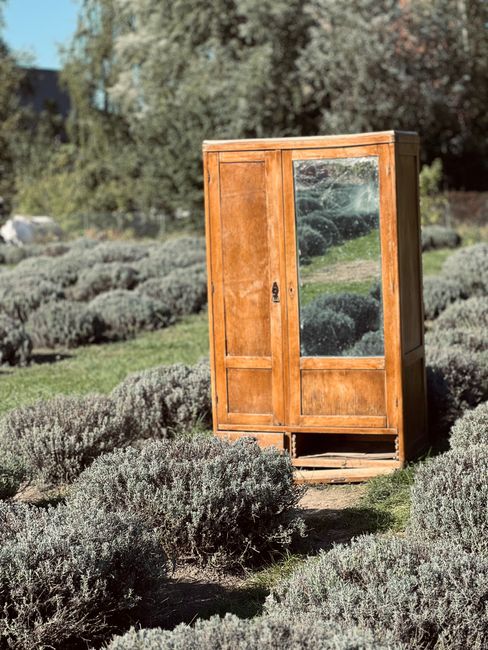
Case Study: Antique Wardrobe Removal from Putney Heath
Moving a heavy antique wardrobe sounds simple until you meet a narrow hallway, a tight staircase, a fragile finish, and a piece of furniture that has probably lived longer than everyone involved in the move. That is exactly why a Case Study: Antique Wardrobe Removal from Putney Heath is useful. It shows how careful planning, the right lifting method, and a calm approach can turn what looks like a risky job into a smooth, controlled removal.
In Putney Heath, where homes often mix period character with practical space constraints, antique furniture removal needs more than muscle. You need judgement. You need protection for the wardrobe, the property, and the people doing the lifting. In this article, we walk through the process, the common pitfalls, the best practices, and the decisions that matter most when removing a valuable wardrobe from a home that was never designed for oversized furniture.
To make the article genuinely useful, we will also cover what to expect from a professional furniture move, when a careful furniture pick-up service makes sense, and how related services such as man and van support or home moving assistance can fit into a larger relocation plan.
Table of Contents
- Why Case Study: Antique Wardrobe Removal from Putney Heath Matters
- How Case Study: Antique Wardrobe Removal from Putney Heath Works
- Key Benefits and Practical Advantages
- Who This Is For and When It Makes Sense
- Step-by-Step Guidance
- Expert Tips for Better Results
- Common Mistakes to Avoid
- Tools, Resources and Recommendations
- Law, Compliance, Standards, or Best Practice
- Options, Methods, or Comparison Table
- Case Study or Real-World Example
- Practical Checklist
- Conclusion
- Frequently Asked Questions
Why Case Study: Antique Wardrobe Removal from Putney Heath Matters
Antique wardrobes are not just large boxes with doors. They are often made from solid hardwood, finished with veneers, fitted with mirrors, or assembled with older joinery that reacts badly to force. One wrong angle, one rushed turn on a landing, and you can end up with cracked mouldings, scraped walls, or a wardrobe that starts to wobble for the first time in decades. Not ideal.
This case study matters because it reflects a very common real-world problem: people underestimate the complexity of moving one heavy item. In a place like Putney Heath, that challenge can be made harder by Victorian staircases, shared entrances, limited parking, or internal layouts that simply do not give you much room to manoeuvre. Truth be told, the wardrobe is often the easy part; the building is the puzzle.
It also matters for decision-making. A reader trying to compare options may be wondering whether they need a full house move, a smaller vehicle, or a specialist furniture move. The answer depends on access, weight, fragility, and how much preparation the item needs before it can safely leave the property. If the wardrobe is part of a wider move, services like house removalists or removal truck hire may be more sensible than handling it ad hoc with a borrowed van and two hopeful friends. Been there, seen that, and it rarely ends well.
For homeowners, landlords, executors, and antique buyers, the core value is confidence. You want to know the item can be removed without damage, that the route out has been checked, and that everyone understands the plan before the first screw is loosened. That is what a good antique wardrobe removal case study should clarify.
How Case Study: Antique Wardrobe Removal from Putney Heath Works
The process starts long before anyone lifts a hand. A successful antique wardrobe removal usually follows a sequence of assessment, preparation, protection, movement, and final placement. Skipping one step tends to create drama later, and nobody needs extra drama on a moving day.
1. Assess the wardrobe and the access route
First, you look at the wardrobe itself: dimensions, weight, construction, mirrors, fixings, and whether it can be dismantled safely. Then you assess the route out of the room, down stairs if needed, through hallways, and to the exit. Measure door widths and turning space. If the wardrobe is taller than the stairwell clearance or too wide for the landing, you already know the move will need a more careful approach.
2. Decide whether partial dismantling is appropriate
Some antique wardrobes can be partially dismantled. Others should be left intact if the joints are delicate or the finish is especially vulnerable. The decision should be based on the furniture's condition, not convenience. In some cases, removing doors, shelves, rails, or mirrors is enough. In others, full disassembly is the safer path. A little patience here saves a lot of grief later.
3. Protect the furniture and the property
Before movement begins, the wardrobe should be padded, wrapped, or secured with blankets and protective materials. Corners, glass, and decorative trim are the usual weak spots. The property also needs protection: banisters, corners, floors, and wall edges should be covered where contact is likely. In older Putney Heath homes, even a light scrape on a painted wall can be surprisingly visible, especially in daylight.
4. Move with controlled lifting and clear communication
The actual lifting is only one part of the job. The more important part is control. The team should move slowly, call out obstacles, and keep the wardrobe balanced at each turn. A wobble on the stairs is where damage happens. A steady, agreed rhythm is better than speed. Every time.
5. Load, secure, and transport safely
Once outside, the wardrobe needs to be loaded into a suitable vehicle and secured so it cannot slide or tip during transit. A moving truck or appropriate van setup is often the safer option than squeezing a valuable item into a vehicle that is already half full. You want the wardrobe to arrive as it left: intact, upright, and not smelling faintly of chaos.
Key Benefits and Practical Advantages
There is a reason people choose specialist removal support for antiques. The benefits are practical, not just convenient.
- Lower risk of damage: antique wood, veneer, handles, and mirrors are protected through careful handling.
- Less stress on the property: walls, stairs, and flooring are less likely to be marked during removal.
- Better handling of awkward access: narrow halls, corners, and old staircases are managed with more patience and planning.
- More appropriate vehicle choice: the item can be transported upright and secured properly.
- Greater confidence for the customer: especially if the wardrobe has sentimental or financial value.
There is also a subtle but important benefit: good handling protects resale value. If the wardrobe is being sold, restored, or passed down, every chip avoided matters. A small dent on a modern wardrobe is annoying. On an antique piece, it can feel a bit heartbreaking, to be fair.
For many people, the best outcome is not just "moved safely", but "moved without having to think about it again." That kind of relief is worth a lot on its own. And if the removal is part of a larger project, combining it with packing and unpacking services can reduce the number of moving parts, literally and figuratively.
Who This Is For and When It Makes Sense
This kind of removal makes sense for anyone dealing with a valuable, heavy, or awkward antique wardrobe, especially where access is limited. The most common situations include:
- homeowners clearing a bedroom or dressing room
- families handling an inherited piece of furniture
- landlords and executors managing a property sale
- interior designers replacing period furniture
- buyers collecting antiques from a private address
- people moving house but taking only selected items
It is particularly relevant when the wardrobe is too large to move safely with a basic two-person lift and no plan. If the item is carved, mirrored, oak, mahogany, or has a sentimental backstory, the threshold for caution should be lower. Does it really need a specialist approach? In many cases, yes. If you have to ask whether the staircase is wide enough, that is already a signal.
For a broader move, a service such as man with van support may be useful for smaller loads, while full domestic moves are better handled through home moves or experienced house removalists. The key is matching the service to the item, not just the postcode.
Step-by-Step Guidance
If you are planning an antique wardrobe removal in Putney Heath, here is a practical step-by-step method that reflects how the best jobs are usually handled.
- Photograph the wardrobe. Take clear pictures of every side, close-ups of existing marks, and any fragile fittings. This helps everyone understand the item's starting condition.
- Measure the wardrobe and the route. Record height, width, depth, and any tricky access points such as stair turns, low ceilings, or tight doors.
- Empty the wardrobe fully. Remove clothes, shelves, hanging rails, and loose contents. It sounds obvious, but items get left behind more often than you might think.
- Decide on dismantling. Check whether doors, mirrors, or top sections can be removed without stressing the frame.
- Protect vulnerable surfaces. Use blankets, wrap, tape only where safe, and corner protection to reduce contact damage.
- Clear the route. Move rugs, lamps, shoes, and anything else that could become an ankle hazard. On a rainy London day, wet footprints can add a little extra slip risk too.
- Assign roles. One person leads, one supports, and one watches clearance if the team size allows it. Clear calls matter.
- Move slowly and pause at turns. Do not force the item through a corner. Reposition, reset, and continue.
- Load upright and secure. Make sure the wardrobe cannot tilt or bounce during transport.
- Inspect on arrival. Check for any movement, loosened fittings, or fresh marks before unloading is complete.
That is the basic framework. Simple, yes. Easy, not always. The difference is in the discipline.
Expert Tips for Better Results
Small decisions make a big difference with antique furniture. Here are the practical habits that tend to pay off.
- Use the light to your advantage. Daylight reveals scratches and alignment issues more clearly than a dim hallway does.
- Do a dry run of the route. Walk the path without the wardrobe first. You will notice a lamp base, door stop, or low shelf that looked harmless earlier.
- Never lift by fragile trim. Carved edges and decorative moulding are not handles, no matter how tempting they look.
- Keep hardware in labelled bags. Screws, brackets, and hinges are easy to lose during dismantling. A tiny bag now saves a headache later.
- Use a vehicle that gives space, not just capacity. Tightly packed transport increases the chance of rubbing and accidental knocks.
- Plan the reverse journey too. Many people think only about getting the wardrobe out. Getting it into storage or its new room matters just as much.
One more thing. If the wardrobe smells musty, damp, or like old varnish, treat it as a clue rather than a problem. Older furniture can react to wrapping if trapped moisture is present, so let it breathe a little if conditions allow. That is one of those small practical things people miss.
Common Mistakes to Avoid
Most removal damage comes from a handful of familiar mistakes. The good news is that they are avoidable.
- Forcing the item through tight spaces: if it does not fit comfortably, stop and reassess.
- Ignoring the wardrobe's age or fragility: old joinery may not respond well to pressure.
- Failing to protect walls and corners: minor contact becomes visible fast on painted surfaces.
- Using too few people: a heavy wardrobe is not the place for heroic improvisation.
- Leaving doors or mirrors attached when they should be removed: this increases weight and risk.
- Rushing the loading process: many damage claims happen at the threshold, not on the road.
- Choosing a vehicle that is too small: it may fit by measurement, but not by safe handling.
One particularly common mistake is assuming antique furniture should be treated like modern flat-pack furniture. It should not. The structure, the finish, the hardware, the value, the whole story is different. Treat it that way.
Tools, Resources and Recommendations
You do not need a warehouse full of equipment, but the right basics make the job much safer and cleaner.
| Tool or Resource | Why It Helps | Practical Note |
|---|---|---|
| Furniture blankets | Protects wood, corners, and decorative finishes | Best used with secure wrapping, not as loose padding |
| Straps or securing ties | Keeps the wardrobe stable during lift and transport | Should not compress fragile sections too tightly |
| Protective floor coverings | Reduces scuffs on stairs and hallways | Useful on wood, tile, and painted surfaces |
| Labels and small bags | Helps keep screws and fittings together | Simple, but annoyingly easy to forget |
| Measuring tape | Confirms access and clearance before moving day | Measure twice. Then measure the awkward corner again |
| Suitable moving vehicle | Provides safe upright transport | Often better to allow more space than you think you need |
In terms of service choice, a small, flexible job may suit a man and van arrangement, especially if the wardrobe is one item among a few. If the move is larger, or the access is more complex, a dedicated vehicle through removal truck hire can be a better fit. The right resource depends on the job, not the label on the service.
Law, Compliance, Standards, or Best Practice
For a furniture removal like this, the most relevant expectations are usually practical best practice rather than highly specialised regulation. Still, a trustworthy service should work with care, reasonable risk awareness, and respect for the property.
In the UK, moving teams are generally expected to handle goods in a way that avoids avoidable damage and injury. That means using suitable lifting techniques, planning access routes, and taking care not to damage common areas if the property is shared. If a building has narrow staircases, communal entrances, or parking constraints, those factors should be considered in advance. Common sense, really, but common sense is often what gets skipped when people are in a hurry.
For antique items, best practice also means being honest about limits. If the wardrobe is too fragile to dismantle safely, that should be stated. If the access route is too tight for a straight move, the plan should change. Better a slightly longer process than a broken piece of history.
It is also sensible to keep communication clear about responsibility, timing, and condition before the move begins. If you are arranging storage or transport as part of a larger project, reading the provider's terms and conditions carefully is worth the few extra minutes. Not glamorous, but useful. If you want to learn more about the company background and service approach, the about us page can help. For booking questions or practical enquiries, use the contact channel provided on the site.
Options, Methods, or Comparison Table
Choosing the right approach depends on the wardrobe, the access, and whether the move is standalone or part of a larger relocation. Here is a practical comparison.
| Method | Best For | Pros | Limitations |
|---|---|---|---|
| Single-item furniture pick-up | One antique wardrobe or a small number of items | Focused, efficient, less disruptive | May not suit very large or complex moves |
| Man and van | Smaller domestic jobs with flexible timing | Useful for one-off collections and short moves | Less ideal if heavy lifting or larger loads are involved |
| Removal truck hire | Bulky items, longer routes, or multiple pieces | More space and better loading options | May be more than needed for a single wardrobe |
| Full home move | Wardrobe is part of a bigger relocation | Streamlined planning, fewer separate bookings | Not cost-effective if you only need one item moved |
The comparison is simple: do not overbuy the solution. If it is one antique wardrobe, you probably do not need a whole-house operation. If it is one antique wardrobe plus a bed, a sideboard, and two boxes of books you swore were light, the picture changes quickly.
Case Study or Real-World Example
Let's look at a realistic example from Putney Heath. A homeowner needed to remove a tall antique wardrobe from an upstairs bedroom before redecorating. The wardrobe had mirrored doors, a heavy base, and a narrow path out through a landing with a sharp turn near the staircase.
The first step was a visual assessment. The team checked the wardrobe's structure and found that the doors could be removed separately, which reduced the weight and made the main frame easier to handle. The mirrors were protected before any movement began. Next, the route was cleared: loose furniture, a floor lamp, and a small table were moved out of the path, and the most vulnerable corners were covered.
The biggest challenge was the turn at the top of the stairs. Rather than trying to muscle through, the team paused, adjusted the angle, and used slow, controlled repositioning. That small pause probably saved the job. No heroic lifting. No "just one more shove." Just steady movement and communication.
Once downstairs, the wardrobe was loaded upright into the vehicle and secured so it could not shift during transit. The result was what you want in any antique removal: no visible new damage, no scuffed walls, and a client who looked noticeably less worried at the end than at the start. Fair enough, really.
Expert summary: The safest antique wardrobe removals are rarely the fastest ones. They are the ones where access is measured, fragile parts are separated early, and the team respects the furniture's age as much as its weight.
Practical Checklist
Use this checklist before moving day. It keeps the process calm and much less messy.
- measure the wardrobe and all exits
- photograph the wardrobe's condition
- empty drawers, shelves, and compartments
- remove mirrors, doors, or loose fittings where safe
- wrap fragile surfaces and corners
- protect walls, floors, and banisters
- confirm the route is clear and dry
- assign at least one person to guide movement
- prepare suitable straps, blankets, and labels
- make sure the vehicle can carry the item upright
- check final condition before and after loading
If your wardrobe is part of a wider move, it may be worth combining the job with office relocation services if the move involves mixed commercial and home assets, or with a broader commercial moves plan for antique shop stock or trade inventory. Different context, same principle: match the method to the item.
Conclusion
An antique wardrobe removal from Putney Heath is not just a lifting task. It is a balancing act between care, access, and timing. The best outcomes come from measured planning, not brute force. Measure the route, protect the finishes, separate fragile parts where possible, and use the right vehicle and support for the scale of the job.
Whether you are moving a family heirloom, clearing space for renovation, or handling a one-off collection, the goal is the same: remove the wardrobe safely and leave the property as tidy as you found it. That is the standard worth aiming for. Not flashy, just solid. And honestly, that is what people remember.
Get a free quote today and see how much you can save.
If you are planning something similar, the next sensible step is simple: ask for a clear assessment of access, protection, and transport before move day. A calm plan now can save a lot of stress later, and sometimes that is the real luxury.
Frequently Asked Questions
How do you remove an antique wardrobe without damaging it?
You start by assessing the wardrobe's structure, measuring the route out, and protecting fragile areas such as mirrors, trim, and corners. If safe, remove doors or loose fittings first. Slow, controlled lifting matters more than speed.
Can an antique wardrobe be dismantled before moving?
Often, yes, but only if the joints, panels, and finish can tolerate it. Some antique wardrobes are best moved in sections, while others should stay intact. The condition of the piece should guide the choice.
What makes Putney Heath removals more complicated?
Older properties, tighter staircases, narrow corridors, and limited parking can all make the job trickier. That is why access planning is such a big part of a successful removal in the area.
Is a man and van service enough for one antique wardrobe?
Sometimes it is, especially if the item is the only large piece and access is straightforward. If the wardrobe is unusually heavy, fragile, or difficult to move, a more specialised approach may be better.
Should I empty the wardrobe before the movers arrive?
Yes. The wardrobe should be completely emptied before removal. Loose contents add weight, increase movement risk, and make handling more awkward than it needs to be.
How do movers protect walls and floors during removal?
They typically use blankets, floor coverings, corner protection, and careful route planning. The aim is to reduce contact points and avoid scuffs during turns and doorway manoeuvres.
What if the wardrobe does not fit through the doorway?
Then the team needs to stop and reassess. Sometimes removing doors, feet, or top sections helps. If not, a different route or dismantling method may be needed. Forcing it is the worst option.
How long does an antique wardrobe removal usually take?
It depends on access, size, and whether dismantling is needed. A straightforward job can be fairly quick, but a difficult staircase or fragile item may take longer. It is better to allow more time than too little.
Is it worth getting a professional service for one piece of furniture?
For an antique wardrobe, usually yes. The cost of a damaged finish, broken mirror, or scuffed wall can outweigh the convenience of trying to do it casually. One item can still be a serious job.
What should I ask before booking a furniture removal?
Ask how the item will be protected, whether dismantling is included, what vehicle will be used, and how access issues are handled. Clear answers before the move are a very good sign.
Can antique furniture be moved with other household items?
Yes, but only if the load is arranged carefully so the antique piece does not get crushed or rubbed against harder items. In mixed loads, placement and securing matter a lot.
What is the safest way to transport a mirrored wardrobe?
Remove mirrors if possible, wrap them separately, and keep the main frame upright and well secured in transit. Mirrored furniture needs extra patience. There is no way around that, really.