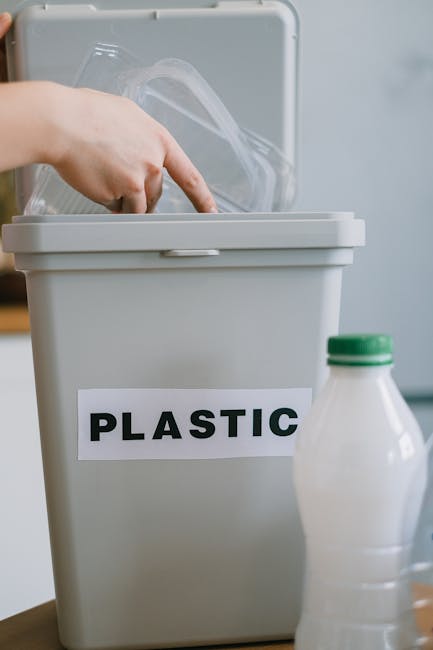
Green Removals in Putney: Recycling and Donation Routes
Moving house, clearing a flat, or emptying an office in Putney can feel strangely emotional. There are boxes, old furniture, forgotten cables, and a lot of decisions that need making fast. Green Removals in Putney: Recycling and Donation Routes is about handling all of that with less waste, more care, and a better outcome for the items you no longer need. Instead of treating everything as rubbish, a greener removal plan sorts goods into donation, reuse, recycling, and only then disposal. That approach is better for the planet, but it also tends to make the move calmer and more organised. Truth be told, it can save a lot of unnecessary stress too.
This guide explains how green removals work in Putney, what can usually be donated or recycled, and how to plan the process properly without creating extra work for yourself. You will also find practical tips, common mistakes, and a simple checklist you can use on moving day.
Table of Contents
- Why Green Removals in Putney: Recycling and Donation Routes Matters
- How Green Removals in Putney: Recycling and Donation Routes Works
- Key Benefits and Practical Advantages
- Who This Is For and When It Makes Sense
- Step-by-Step Guidance
- Expert Tips for Better Results
- Common Mistakes to Avoid
- Tools, Resources and Recommendations
- Law, Compliance, Standards, or Best Practice
- Options, Methods, or Comparison Table
- Case Study or Real-World Example
- Practical Checklist
- Conclusion
- Frequently Asked Questions
Why Green Removals in Putney: Recycling and Donation Routes Matters
Putney has the kind of housing mix that makes removal work interesting: mansion flats, family homes, rented apartments, shared houses, and plenty of businesses with short turnaround times. That means removals often involve more than just moving boxes from A to B. There may be usable furniture, packed storage cupboards, old office chairs, kitchen items, or a stack of things that have simply been living in the spare room for years. Let's face it, most homes have at least one "we'll sort that later" corner.
A greener approach matters because the standard skip-and-dump mindset wastes a lot. One person's unwanted dining table could still have years of life left. A nearly new kettle might be perfect for a donation route. Even broken items can sometimes be separated into recyclable material streams instead of going to general waste. That kind of sorting reduces landfill pressure, supports local reuse, and usually gives people a better feeling about the move.
There is also the practical side. When items are sorted early, the move becomes easier to plan. Load sizes are clearer. Lifts are less full. The final clean-up is quicker. And if you are downsizing, clearing an estate, or emptying an office, that clarity really helps. You do not want to discover, halfway through the process, that the "keep, donate, recycle" pile has been mashed together with the "just take it away" pile. That is where the wheels can fall off a bit.
Green removals are not about perfection. They are about better decisions, made earlier, with less waste and more common sense.
How Green Removals in Putney: Recycling and Donation Routes Works
A green removal usually starts with a simple sort. Items are assessed for reuse, donation, recycling, specialist disposal, or direct relocation. In practice, this often happens during packing, but it can also be done during a pre-move visit or when the removals team is loading. The key is to avoid blending everything into one final heap.
Here is the basic flow:
- Identify items with resale or donation value. Clean, complete, and working items are the easiest to rehome.
- Separate recyclable materials. Cardboard, paper, metal, some plastics, and certain electrical items can often be routed separately.
- Set aside items for specialist handling. Mattresses, white goods, fragile electronics, paints, and anything unsafe may need extra care.
- Plan collection and loading order. Donation items should not be crushed under heavy furniture.
- Choose the right transport option. The vehicle matters, especially if you are moving multiple categories at once. A flexible option such as man and van removals can be useful for smaller, staged loads, while larger moves may need a moving truck or removal truck hire.
- Deliver to the right route. Donation items go to reuse channels, recyclable items to the proper facilities, and the rest to lawful disposal.
Not every move will use all of these steps. A single-room flat clearance is different from a family home, and an office relocation has its own rhythm. But the same principle holds: keep good items in circulation for as long as possible.
In a typical Putney move, you might box up books and small household items for donation, flatten cardboard for recycling, and send worn-out damaged pieces to disposal. If you are relocating rather than clearing out, services like home moves and packing and unpacking services can make the sorting stage much easier, because proper packing usually leads to better categorisation. Strange, but true.
Key Benefits and Practical Advantages
Green removals are often sold as an environmental choice, and they are. But the benefits go well beyond that.
- Less waste sent to landfill: Reuse and recycling keep useful items in circulation.
- Cleaner move-out process: Sorting early means less last-minute panic.
- Potential cost savings: Donation and recycling routes can reduce the volume that needs direct disposal.
- Better use of space in the vehicle: Reusable goods are packed more efficiently when identified in advance.
- More responsible handling of bulky items: Large furniture, appliances, and office assets are dealt with properly rather than casually dumped.
- Positive impact for recipients: Donated items can help local people, community groups, or charities that rely on usable stock.
There is also a psychological benefit that people do not talk about enough. When you know your old sofa, side table, or desk is going somewhere useful, it is easier to let it go. That little bit of meaning changes the tone of the whole move. It feels less like loss and more like transition.
For businesses, green removals can also support a tidier brand image. An office relocation that includes reuse and responsible clear-out planning sends a better message to staff and clients alike. If your company is shifting premises, office relocation services and commercial moves can be aligned with a greener asset-sorting process, especially when desks, chairs, filing units, and equipment are still in usable condition.
Who This Is For and When It Makes Sense
Green removals are a good fit for a lot of people, not just environmentally conscious households. If you are moving in or out of Putney, there is a decent chance you will benefit from some form of donation or recycling route.
This approach makes particular sense for:
- Homeowners downsizing: Usually there are a few items that will not fit the new space.
- Renters between tenancies: Quick turnarounds make clean, organised removal planning valuable.
- Families clearing a property: There are often mixed items across several categories, some sentimental, some not.
- Students and sharers: Shared homes can accumulate all sorts of odd furniture and duplicate household items.
- Businesses relocating offices: Desks, chairs, printers, and archive materials need a sensible route.
- People clearing inherited property: This often requires care, patience, and a proper sorting system.
It also makes sense when you simply do not want to throw away good things. A lot of people in Putney are happy to donate if it is easy. The trick is making that process simple enough that it actually happens.
If you only have a few items to move, a flexible option like man with van removals can work well for staged collections. For larger furniture or when bulky items need special handling, something like furniture pick up can be the cleaner route. Not every move needs a giant truck. Sometimes it just needs a sensible one.
Step-by-Step Guidance
If you want a greener move without overcomplicating it, keep the process straightforward. A good system beats enthusiasm every time.
1. Start by sorting room by room
Do not sort the entire property in one go unless you enjoy chaos. Work through one room at a time, and ask three simple questions for each item: keep, donate, or recycle/dispose. If an item is broken but repairable, put it in a separate "review" pile so it does not get mixed up with rubbish.
2. Clean items before donation
It sounds minor, but it matters. A wiped-down lamp, a vacuumed armchair, or a box of clean kitchenware is much more likely to be accepted for donation. A stained or dusty item can still be recyclable, but it is less likely to be reused.
3. Check condition honestly
This is where people get sentimental. A lot of us do. But a chair with a broken leg is not a donation item just because it used to be lovely. Be honest about what someone else could actually use. That saves time for everyone.
4. Group items by route
Keep donation, recycling, and disposal items physically separated. Use labels if needed. Even a quick marker note on the box helps. If you are packing over several days, a few coloured tape strips can make a huge difference. Blue for donate, green for recycle, red for dispose. Simple. Effective.
5. Load in the right order
Donation goods should be loaded where they will not get damaged. Recyclables should stay accessible if they need to be unloaded separately. Heavier, less delicate pieces go in first. This sounds obvious, but in the rush of moving day, obvious things get forgotten.
6. Arrange the right transport and timing
When a property contains a mix of reusable furniture and waste, you need the right capacity and the right plan. A larger van or truck may be suitable if you are removing full-room contents, especially in a house clearance or larger family move. For a smaller set of items, a more compact removal option can be enough.
7. Confirm final handover details
Before the move ends, check that the property is clear of obvious remaining items, cupboards are emptied, and nothing intended for donation has been accidentally left behind. You would be surprised how often one small bag gets missed behind a front door or under the stairs. Happens all the time.
Practical summary: The best green removals are not complicated. Sort early, label clearly, protect reusable items, and choose a removal method that matches the volume and type of goods. That is really the heart of it.
Expert Tips for Better Results
A few small choices can make your whole removal greener and easier. These are the things people often only learn after doing it once or twice.
- Keep a donation box running for a week or two before moving day. It helps you catch small items you would otherwise toss without thinking.
- Photograph bulky items in advance. It makes it easier to decide whether they are worth rehoming or should be routed for recycling.
- Separate cables and small electronics early. These items disappear into drawers and the bottom of bags if you are not careful.
- Use clear bags for mixed soft recycling where appropriate. You can see the contents instantly, which reduces mistakes.
- Keep a small "last day" box. This is for keys, chargers, chargers again, documents, and anything you need until the very end.
- Ask whether furniture can be dismantled. Flat-packed pieces are easier to move, easier to donate, and less likely to be damaged.
If you are dealing with an office move, the same logic applies, only on a larger scale. Asset tagging, desk decommissioning, and deciding which equipment still has value all matter. A well-run relocation can sit alongside office relocation services without turning the move into a landfill event. That is the goal, really.
One more thing: do not wait until the day before to think about recycling routes. By then, everything feels heavier, louder, and more annoying than it should. Start a bit earlier. You will thank yourself later.
Common Mistakes to Avoid
Most removal problems in this area are not dramatic. They are small, avoidable mistakes that snowball because the day gets busy.
- Leaving sorting until the van arrives. This is the big one. It slows everything down.
- Donating damaged items without checking condition. Reuse only works when the items are actually reusable.
- Mixing recyclables with general rubbish. Once mixed, they are much harder to separate properly.
- Forgetting bulky items in storage spaces. Loft spaces, under-bed storage, and cupboards are classic hiding places.
- Underestimating how long packing takes. Especially if you are also working, caring for children, or coordinating a lease end.
- Choosing the wrong vehicle size. Too small, and you create multiple trips. Too large, and you may pay for space you do not need.
- Not checking access in Putney streets. Parking, stair access, and loading restrictions can affect timings more than people expect.
Another quiet mistake is overpacking donation boxes. A box of books that is too heavy to lift safely is not helpful to anyone. Keep loads manageable. Your back will appreciate it, and so will the person carrying it.
Tools, Resources and Recommendations
You do not need fancy equipment to make a green removal work. A few simple tools go a long way.
| Tool or Item | Why It Helps | Best Use |
|---|---|---|
| Labels or masking tape | Keeps donate/recycle/dispose piles clear | Room sorting and box marking |
| Permanent marker | Makes boxes easy to identify at a glance | Moving day organisation |
| Strong sacks and boxes | Protects items during transport | Books, small items, household goods |
| Furniture blankets | Reduces damage to reusable pieces | Sofas, tables, chairs, wardrobes |
| Basic screwdriver or Allen keys | Useful for dismantling furniture | Bed frames, desks, shelving |
| Inventory list | Helps track where items are going | Mixed home or office removals |
When looking at service options, think about the actual mix of items rather than just the total volume. For example, a few reusable chairs and a dismantled desk may suit a small load service, while a full household clearance may need a larger vehicle and a more structured route. If you need a straightforward transport option for heavier items, removal truck hire can be a practical fit. For people who want help with loading and flexible collection, man and van services are often the sweet spot.
If the job is mainly about getting one or two large pieces out of the property, you may find furniture pick up is more efficient than organising a full removal. The best choice is the one that matches the job, not the one that sounds grander.
Law, Compliance, Standards, or Best Practice
When a move involves waste, donation, or recycling, it is worth being careful. In the UK, the main principle is simple: items should be passed on, recycled, or disposed of responsibly, and not dumped illegally. For households, that usually means working with a removal provider or route that handles unwanted goods properly and can separate reusable items from waste.
For businesses, the expectations are usually stricter. Office relocations and commercial clearances often involve mixed assets, electronics, confidential material, and items that need secure handling. Good practice here is to record what is leaving the premises, decide what can be reused, and avoid mixing sensitive disposal with general waste. That is especially relevant where paper records, IT equipment, and furniture are being cleared together.
It is also sensible to follow basic environmental best practice: minimise waste where you can, keep recyclable materials separate, and check whether items can be reused before you send them away. That sounds straightforward, but in real life it takes discipline. Not everything needs a formal process, but a little structure prevents mistakes.
If you are unsure about an item, err on the side of caution. Some materials or appliances may need specialist handling, and it is better to ask than to guess. A careful removal is usually the right one.
Options, Methods, or Comparison Table
There is no single "best" removal method for everyone. The right choice depends on volume, item type, and how much sorting work you want to do yourself.
| Method | Best For | Strengths | Limitations |
|---|---|---|---|
| Self-sorting with donation and recycling drops | Small clear-outs and patient planners | Low cost, more control | Time-consuming, can be exhausting |
| Man and van collection | Medium-sized domestic moves | Flexible, practical, efficient | May need multiple trips for large clearances |
| Truck-based removal | Larger homes and bulkier loads | Better for volume, fewer journeys | Can be more than you need for small jobs |
| Professional packing and removal combination | Busy households and office relocations | Cleaner organisation, less stress | Usually more planning involved |
If you are moving a full household, the combination of home moves with a sorting plan often works best. If your move is business-led, commercial moves with a reuse-first mindset can reduce waste without slowing the project too much.
For many Putney residents, the sweet spot is simply this: use a flexible removal service, separate your items early, and keep the donation route obvious. Not glamorous. Very effective.
Case Study or Real-World Example
A family in Putney preparing to move from a three-bedroom flat to a smaller house had a familiar problem. The living room had a sofa that still had life in it, two bookcases, a dining table with chairs, a box of kitchenware, and a shed-load of items from a spare room that had quietly turned into storage. They also had a move-out deadline, which always makes everything feel twice as intense.
Instead of loading everything together, they split the items into three groups over several evenings. The sofa and bookcases were checked for condition and wrapped for reuse. The kitchenware went into donation boxes after a quick clean. Broken lamps, worn-out cushions, and damaged miscellaneous pieces were set aside for recycling or disposal. The family also used a packing service for fragile items, which reduced breakages and made the sorting easier.
On move day, the removal team could load faster because the categories were already clear. The reusable pieces stayed in good shape. The donation boxes were accessible. Nothing got mixed. The whole thing finished with less clutter hanging over them at the end, which, honestly, is one of the nicest feelings after a move. The new place started tidy rather than chaotic. Big difference.
That is the real value of green removals. It is not just about where items go. It is about how the move feels while it is happening.
Practical Checklist
Use this as a quick pre-move reset. A simple checklist keeps the process grounded.
- Sort items into keep, donate, recycle, and dispose.
- Clean reusable items before they leave the property.
- Check furniture and appliances for working condition.
- Label boxes clearly by route and room.
- Keep electronics and cables separate from general household items.
- Confirm access, parking, and loading space for the vehicle.
- Choose the right removal method for the volume of goods.
- Protect reusable items with blankets or wrapping.
- Set aside a last-day essentials box.
- Do a final walk-through of cupboards, loft spaces, and under-bed storage.
Small step, big payoff. Really.
If you want help with packing before the move, packing and unpacking services can make the whole process feel far less messy. And if you are comparing vehicle options, moving truck solutions may suit larger, fuller moves where there is a meaningful amount of reusable furniture or mixed items to transport.
Conclusion
Green removals in Putney are not about making a move complicated. They are about making better decisions with the items you already own. When you build recycling and donation routes into the process, you reduce waste, protect usable goods, and make the move itself feel more controlled. That matters whether you are clearing a flat, relocating a family home, or moving a business premises.
The most successful removals tend to share the same qualities: early sorting, clear labels, sensible transport, and a willingness to let go of items that have served their time. You do not need a perfect system. You just need one that works.
Get a free quote today and see how much you can save.
And if you are in the middle of planning right now, take a breath. One room at a time. One box at a time. It does get easier once the first pile is sorted.
Frequently Asked Questions
What counts as a green removal?
A green removal is a move or clearance that prioritises reuse, donation, and recycling before general disposal. The idea is to keep usable items in circulation and reduce avoidable waste.
Can furniture be donated during a move in Putney?
Yes, if it is clean, safe, and in usable condition. Solid tables, chairs, storage units, and some sofas can often be routed for donation, but damaged or heavily worn pieces usually need another route.
What items are usually best for recycling rather than donation?
Broken household items, damaged small appliances, worn-out soft furnishings, cardboard, some metals, and separated electrical goods are often better suited to recycling than donation.
How do I prepare items for donation?
Give them a quick clean, check that all parts are present, and make sure they are safe to use. If something is missing a key part or is visibly damaged, it is better to treat it as a recycling or disposal item.
Is a man and van service suitable for green removals?
Often, yes. A flexible transport option can work well for staged collections, furniture pick-ups, and smaller clear-outs where sorting matters more than raw volume.
What is the difference between recycling and donation routes?
Donation routes are for items that can be used again with little or no repair. Recycling routes are for items that cannot be reused but may still be broken down into materials or processed safely.
Do I need to separate everything before the removal team arrives?
It helps a lot, but not every job has to be perfectly finished in advance. The cleaner the sorting, the faster and easier the move will be. Even partial sorting makes a real difference.
Are office clear-outs handled differently from home removals?
Yes, usually. Office removals may involve desks, IT equipment, records, and larger furniture volumes. They often need more structured sorting, especially where reusable assets and sensitive items are mixed.
What should I do with bulky items that are not reusable?
Bulky items such as damaged wardrobes or tired mattresses may need recycling or specialist disposal depending on the material. It is worth separating them early so they do not get tangled with donation goods.
Can green removals save money?
They can, mainly by reducing the amount that needs direct disposal and by making loading more efficient. The exact cost depends on the size of the move, the amount of sorting needed, and the transport method.
What are the most common mistakes people make?
The biggest mistakes are leaving sorting too late, mixing recyclable items with general rubbish, overestimating what can be donated, and choosing the wrong vehicle size for the load.
How far in advance should I plan a green removal?
Ideally, start a couple of weeks ahead if you can. That gives you time to sort items calmly, arrange donation or recycling routes, and avoid the last-minute pile-up that makes everything harder.
If you want to understand the service provider behind these moving options, you can also review about us, or go straight to contact us if you are ready to discuss your move. For wider site policies, the privacy policy and terms and conditions are available too.