Putney Business Moves: Offices near Putney Bridge
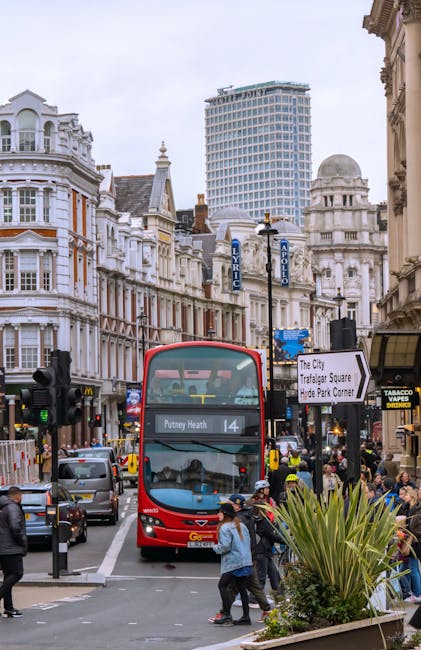
If you are planning Putney Business Moves: Offices near Putney Bridge, you are probably juggling more than boxes and tape. There are desks to move, people to reassure, IT to protect, and a very real need to keep the business running while the move is happening. That is the tricky part, really. A good office move near Putney Bridge is not just about transport; it is about timing, access, coordination, and a calm plan that does not unravel at 4:30 on a Friday afternoon.
This guide walks through what the move involves, why the Putney Bridge location matters, how the process usually works, and what to watch out for if you want to avoid avoidable stress. You will also find a practical checklist, a comparison of moving methods, and a few useful tips gathered from real-world office moves where the awkward bits are usually the ones people forget first.
Table of contents
- Why Putney Business Moves: Offices near Putney Bridge Matters
- How Putney Business Moves: Offices near Putney Bridge Works
- Key Benefits and Practical Advantages
- Who This Is For and When It Makes Sense
- Step-by-Step Guidance
- Expert Tips for Better Results
- Common Mistakes to Avoid
- Tools, Resources and Recommendations
- Law, Compliance, Standards, or Best Practice
- Options, Methods, or Comparison Table
- Case Study or Real-World Example
- Practical Checklist
- Conclusion
- Frequently Asked Questions
Why Putney Business Moves: Offices near Putney Bridge Matters
Office moves in Putney are rarely just "move the furniture and go". Around Putney Bridge, access can be tight, traffic can be slow at the wrong moment, and the shape of the day matters more than people expect. A move that looks simple on paper can quickly become awkward if there is no lift booked, no loading space considered, or no plan for computers and filing cabinets that need to arrive in the right order.
That is why a business move near Putney Bridge deserves proper planning. It is a busy London location with a mix of commercial premises, residential streets, and journey patterns that can affect everything from arrival times to parking. In practice, that means your move should be treated as a coordinated project, not a last-minute haul.
The best office relocations also protect business continuity. Staff still need to answer phones, meet clients, and find what they need on Monday morning. If the move is rushed, you often lose more time than you save. And let's face it, a missing laptop charger or a box of client files can derail a whole morning.
For many firms, this is also the point where a broader moving service becomes useful. Depending on the size of the office, you may need commercial moving support, office relocation services, or a flexible vehicle option such as a man and van style solution for smaller loads. If the move includes surplus desks, chairs, or storage units, it can also help to arrange furniture pick-up rather than leaving it to chance.
Table of Contents
- Why Putney Business Moves: Offices near Putney Bridge Matters
- How Putney Business Moves: Offices near Putney Bridge Works
- Key Benefits and Practical Advantages
- Who This Is For and When It Makes Sense
- Step-by-Step Guidance
- Expert Tips for Better Results
- Common Mistakes to Avoid
- Tools, Resources and Recommendations
- Law, Compliance, Standards, or Best Practice
- Options, Methods, or Comparison Table
- Case Study or Real-World Example
- Practical Checklist
- Conclusion
- Frequently Asked Questions
How Putney Business Moves: Offices near Putney Bridge Works
A well-run office move usually follows a straightforward sequence, though the details matter. First comes assessment: what is moving, what is staying, what needs dismantling, and what can be packed in advance. Then comes scheduling, which is where local knowledge near Putney Bridge becomes genuinely valuable. Time windows, parking, access routes, and building rules can all shape the day.
After that, the move team normally handles packing, labelling, loading, transport, unloading, and placement. The goal is not just to get everything into the new office. The goal is to get items into the right rooms and in the right order so staff can start working quickly. If you have ever arrived somewhere new and spent twenty minutes looking for the router, you know exactly why this matters.
For smaller offices, a flexible vehicle may be enough. For larger or more complex moves, a proper removal truck and a crew who know how to move office equipment safely can save a lot of strain. If you need transport for bulkier items or multiple trips, you may want to look at moving truck support or removal truck hire. And if the move includes desks, cabinets, or meeting furniture that need careful handling, packing and unpacking services can take a surprising amount of pressure off your team.
In short, the process works best when it is broken into smaller, sensible decisions rather than one giant moving day panic. That sounds obvious. It is obvious. Yet it is still the bit many teams skip.
Key Benefits and Practical Advantages
A successful office move near Putney Bridge can do more than solve a space problem. Done properly, it can improve the way the business feels and functions from day one in the new place.
- Less downtime: A structured move helps staff return to work faster, with fewer missing items and fewer "where did that box go?" moments.
- Better handling of equipment: Computers, monitors, printers, and filing systems need more care than a typical household move.
- Improved coordination: When everyone knows what is being moved, the move day feels less chaotic and more controlled.
- Local timing advantages: Businesses near Putney Bridge can benefit from a mover who understands the area's traffic patterns and access constraints.
- Cleaner restart: A new office gives you a chance to reset layout, storage, cables, and workflow instead of just recreating the old mess in a new building.
There is also a financial upside that people sometimes miss. When move planning is poor, costs creep in through overtime, lost working time, last-minute vehicle changes, or damaged items. A careful move is rarely glamorous, but it is usually cheaper in the long run.
If you are moving a smaller team, a man with van arrangement may suit lighter relocations. If the office is larger or spread across multiple floors, a more comprehensive relocation setup is often a better fit. The right choice depends on the actual job, not the label on the service. That distinction matters.
Who This Is For and When It Makes Sense
This topic is relevant to a wide range of organisations around Putney Bridge. In our experience, it usually applies to people who are not just moving furniture, but moving operations.
- Start-ups outgrowing a first office
- Professional firms relocating to a more suitable client-facing space
- Agencies and consultancies that need a quicker reset between tenancies
- Small businesses moving from shared space into their own premises
- Teams consolidating two offices into one
- Companies that need a phased move to avoid stopping work completely
It also makes sense when the move includes a few complications: access restrictions, fragile equipment, narrow stairwells, a need to move outside normal hours, or the simple fact that nobody on the team has time to coordinate all of this on top of their actual job. Truth be told, that is most teams.
If your relocation overlaps with home-based staff, you may also be dealing with hybrid logistics, personal equipment, or temporary storage. In some cases, it helps to compare office services with related options like home moves or house removalists for staff who are relocating personally at the same time. It is not the same job, obviously, but the planning mindset is similar.
Step-by-Step Guidance
If you want the move to stay organised, keep it simple and sequenced. Here is a practical way to approach it.
- Map the move scope. List every room, desk, cabinet, device, and item category. Separate what is moving from what is being left behind.
- Assign one decision-maker. A single point of contact avoids confusion. Too many voices and the plan starts wobbling.
- Check access early. Measure doorways, lifts, stair turns, and loading points. Putney Bridge locations can be awkward if this is left until the day before.
- Decide what needs packing support. Office files, IT kit, and breakable items usually benefit from professional packing or at least a very clear labelling system.
- Plan the order of arrival. The first things into the new office should be the essentials: internet hardware, key desks, phones, and any equipment needed to get the team functioning.
- Protect continuity. Keep a small operations kit separate: chargers, extension leads, stationery, a basic tool kit, and access details.
- Confirm the unload layout. People move faster when they know what goes where. No one wants to stand in a corridor asking where the printer should live.
- Do a post-move check. Test IT, check furniture assembly, confirm keys and access cards, and make sure nothing important has been left in the wrong van.
A lot of office relocation pain comes from poor sequencing rather than the transport itself. The move can be physically straightforward and still feel messy if the order is wrong. So yes, the sequence matters. Quite a lot.
Expert Tips for Better Results
Small improvements often make the biggest difference. Here are the things worth paying attention to if you want a move that feels controlled rather than frantic.
- Label by destination, not just by contents. "Meeting room 2" is more useful than "miscellaneous cables".
- Photograph cable setups before disconnecting them. It saves time later. Slightly boring, very effective.
- Keep an essentials box per team. Shared chargers, pens, notepads, and anything you need on the first hour in the new office should travel separately.
- Move the awkward items first. Large desks, heavy storage, and bulky furniture are easier to place before the space gets cluttered.
- Tell staff what they are responsible for. If people know exactly what to pack, they are far less likely to overpack or underpack.
- Allow buffer time. London moves are rarely helped by optimism alone. A bit of slack keeps the whole day calmer.
If you need help with the physical side of dismantling or moving office furniture, a service focused on packing and unpacking can reduce a lot of strain. And if you only need to move a modest set of items, using a smaller vehicle arrangement can be a smarter fit than booking something oversized. No one wins by hiring a truck that is too big for the job.
One more thing: keep a clear line between "must move today" and "can move tomorrow". That little distinction can save the day.
Common Mistakes to Avoid
Office moves near Putney Bridge often go wrong in familiar ways. The good news? Most of them are preventable.
- Underestimating access issues: A van may be fine, but loading may not be if there is no easy stopping point.
- Leaving labelling to the last minute: By the time people are tired, boxes start becoming anonymous. That is when things disappear into the wrong room.
- Moving IT without a plan: Devices, cables, and network equipment need a much more careful approach than ordinary furniture.
- Ignoring building rules: Some buildings have move windows, lift protection requirements, or booking procedures that need notice.
- Forgetting disposal: Old furniture and unwanted items should be separated early so they do not clog up the new office. A furniture pick-up arrangement can help if there are items to remove responsibly.
- Trying to move and work fully at the same time: Some overlap is normal, but too much creates a muddled day where nobody feels fully in control.
There is also the classic mistake of assuming "small office" means "simple move". Sometimes small offices are actually harder because every item matters and there is nowhere to hide the clutter. Funny how that works.
Tools, Resources and Recommendations
You do not need a complicated toolkit to manage an office move well, but a few practical items make a real difference. The aim is to reduce friction, not add another layer of admin.
| Tool or resource | Why it helps | Best used for |
|---|---|---|
| Box labels and colour codes | Makes destination rooms easier to identify at a glance | Multi-room office moves |
| Simple inventory list | Helps track important items and avoid omissions | Equipment-heavy relocations |
| Photos of workstation setups | Speeds up reconnection and reduces IT confusion | Desk-based teams |
| Essentials crate | Keeps daily-use items accessible on the first day | Any business move |
| Professional removal support | Improves handling, timing, and loading efficiency | Medium to larger office relocations |
If you are deciding between service types, the most useful question is not "what sounds cheapest?" It is "what will help us resume work fastest with the least mess?" That usually leads you to the right answer. For smaller, flexible moves, man and van or man with van support may be enough. For larger office loads, dedicated removal truck hire can be more practical.
It is also sensible to keep company policies and handover notes in a shared folder, even if the move is tiny. Paper notes wander off. Digital notes at least have a fighting chance.
Law, Compliance, Standards, or Best Practice
For office moves in the UK, the main compliance issues are usually practical rather than dramatic, but they still matter. Safe handling, access coordination, insurance awareness, and building rules all sit in the background of a professional move.
Businesses should think carefully about:
- Health and safety: Heavy lifting, blocked walkways, and awkward furniture should be managed sensibly to reduce injury risk.
- Building permissions: Some premises require lift bookings, move windows, or advance notice for large items.
- Data and equipment protection: Laptops, files, hard drives, and client records need secure handling and clear responsibility.
- Insurance awareness: It is wise to understand what is covered before the move begins, rather than after something gets scratched.
- Waste and disposal expectations: Unwanted furniture or office waste should be removed responsibly, with care around sorting and access.
Best practice is simply to treat the move as a managed workplace activity. That means clear instructions, proper lifting methods, and enough time to do the job without people rushing because the room has to be empty by noon.
If you are unsure how much support you need, about the team information can help you gauge whether a provider feels organised, experienced, and easy to work with. And when you are ready to ask questions, using a direct contact route is usually the fastest way to clarify the details.
Options, Methods, or Comparison Table
Different office moves need different methods. There is no single perfect setup, but there is usually a sensible fit if you compare the job honestly.
| Move method | Best for | Strengths | Watch-outs |
|---|---|---|---|
| Man and van | Small office loads, light equipment, quick transfers | Flexible, simple, often efficient for short jobs | May not suit bulky furniture or multi-stop moves |
| Man with van | Compact relocations with a modest amount of furniture | Good for smaller teams and mixed item loads | Can be less ideal if the office has lots of heavy items |
| Removal truck hire | Larger office moves, heavier loads, fuller relocation days | More capacity and better for structured loading | Can be more than you need for a very small move |
| Commercial move service | Businesses needing coordinated relocation support | Better planning, handling, and continuity | Requires clearer preparation upfront |
The most useful comparison point is capacity versus complexity. If you have a handful of desks and a few boxes, a lighter setup may be perfect. If you are moving an entire office floor with storage, appliances, and archived files, then a more structured service is usually the safer bet.
There is a simple rule here: choose the method that reduces chaos, not the one that merely sounds convenient in the moment.
Case Study or Real-World Example
Picture a small consultancy moving from a compact Putney office to a newer space near Putney Bridge. Nothing dramatic. Eight staff, a mix of desks, a printer, filing cabinets, and a couple of meeting tables. On paper, it looks easy enough. In reality, the building access is tight, one lift is small, and the team still needs to answer calls during the move.
The move works best when it is split into stages. The IT kit is packed separately. Each department labels its files. Old furniture that is no longer needed is removed early so it does not become background clutter. A team member stays back to confirm nothing important is left behind. The movers place the essentials first so the business can open again the next morning without the usual "where is everything?" scramble.
What made the difference? Not heroics. Just order. A calm schedule, a clear loading plan, and enough communication to stop everyone from guessing. It sounds almost too plain to matter, but that is often the story with good office moves: the best ones feel boring in the right places.
In a slightly larger move, you might add more support around dismantling, protective packing, and vehicle selection. That is where a service like office relocation services becomes especially useful, because it is designed for the real-world messiness of business logistics rather than just shifting objects from A to B.
Practical Checklist
Use this checklist as a quick pre-move sanity check. It is not fancy, but it works.
- Confirm the move date, time, and access windows
- Check loading and parking arrangements near both premises
- List everything that is moving, staying, or being discarded
- Back up important digital files before any equipment is disconnected
- Label boxes by room and by priority
- Pack an essentials kit for day one in the new office
- Photograph workstation cable setups
- Arrange dismantling for large desks or cabinets if needed
- Separate unwanted furniture for removal or pick-up
- Notify staff of their responsibilities and the move timeline
- Test internet, phones, and key devices after arrival
- Walk through both offices at the end and check for missed items
If you are feeling stretched, that is normal. The move is a lot. But a checklist like this turns a huge task into a series of smaller, manageable steps, and that is usually enough to bring the stress down several notches.
Get a free quote today and see how much you can save.
Conclusion
Putney Business Moves: Offices near Putney Bridge is really about making a business transition feel orderly, local, and workable. The best office moves protect time, reduce disruption, and help people settle into the new space without spending the first week searching for essentials. Around Putney Bridge, that means planning around access, traffic, building rules, and the practical realities of working in London.
Whether you need a light-touch van service, a more structured commercial move, or support with packing and furniture handling, the smartest approach is the one that fits your office as it is today. Not the office you wish you had, the one on paper. The real one, with the awkward filing cabinet and the printer nobody wants to move.
Take your time on the plan, keep the labels clear, and do not underestimate how much smoother the day feels when someone has thought through the small things in advance. That calmness is worth a lot.
A well-run move does more than get you settled. It gives the business a cleaner start, which is a pretty good thing to walk into on Monday morning.
Frequently Asked Questions
What is meant by Putney Business Moves near Putney Bridge?
It refers to office and business relocations in and around the Putney Bridge area, where local access, transport timing, and building logistics can shape how the move is planned.
How far in advance should an office move be planned?
As early as possible. Even a small office benefits from a few weeks of planning so access, packing, equipment handling, and staff coordination do not get rushed.
Is a man and van service enough for a small office move?
Sometimes, yes. If the office is compact and the load is light, a flexible van-based move may be suitable. If you have bulky furniture or more complex logistics, a larger setup is often better.
What should be packed separately on moving day?
Keep essentials such as chargers, IT accessories, key documents, access cards, and items needed for the first working day separate from general boxes.
How can we reduce downtime during the move?
Label everything clearly, move essential equipment first, back up data in advance, and make sure the new office is ready before the main arrival of staff and furniture.
Do office moves near Putney Bridge need special access planning?
Often, yes. Local streets, loading points, lifts, and building rules can all affect the timing and route, so access should be checked before the move day.
What is the difference between commercial moves and office relocation services?
Commercial moves is a broader term for business relocations, while office relocation services usually focus more specifically on office layouts, equipment, desks, and workflow continuity.
Should old office furniture be removed before or after the move?
Usually before or during the move planning stage. If unwanted items are left too late, they can block access and slow down loading. Furniture pick-up can help clear these items early.
How do we protect computers and files during the move?
Use clear labelling, pack sensitive items carefully, keep important devices separated from general boxes, and make sure data is backed up before anything is disconnected.
What is the safest way to choose between removal truck hire and a smaller van?
Start with the actual volume and weight of the items. If the move includes lots of furniture or multiple workstations, a removal truck is usually more practical. For smaller loads, a lighter vehicle may be enough.
Can packing and unpacking services really save time?
Yes, especially for offices with a lot of files, breakables, or mixed equipment. They can also reduce stress for staff who need to keep working instead of spending hours taping boxes.
What should we ask before booking an office move?
Ask about access handling, timing, capacity, equipment protection, furniture dismantling, and what support is available for packing or disposal. Clear questions at the start save a lot of confusion later.
Useful next step: if your team is mapping out a move near Putney Bridge, start with the inventory, then decide which items need specialist handling and which can travel simply. That one decision usually makes the whole project feel less heavy, and a lot more manageable.