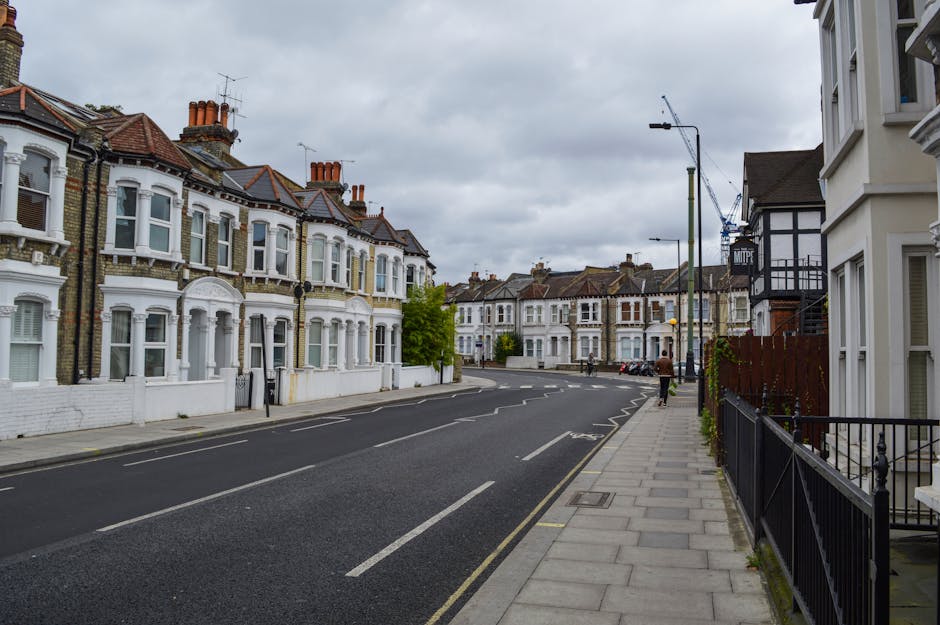
Removals tips for narrow houses on Comyn Road Putney
If you are moving in or out of one of the narrower houses on Comyn Road Putney, you already know the awkward bit is rarely the boxes. It is the staircase that twists, the hallway that seems to shrink when a sofa arrives, and that one doorway that looks fine until moving day. These Removals tips for narrow houses on Comyn Road Putney are designed to help you avoid the usual panic, protect your furniture, and keep the day moving at a sensible pace.
Truth be told, tight Victorian and older London homes can turn a simple removal into a bit of a puzzle. But with the right order, the right packing, and a few practical decisions early on, it becomes much easier. In this guide, you will find local-friendly advice, a step-by-step plan, common mistakes to avoid, and realistic suggestions for choosing the right help when space is limited.
If you are also planning a full household move, services like home moves or support from experienced house removalists can make a cramped property far less stressful. And yes, sometimes even a modestly sized van can be the difference between a calm morning and a very long one.
Table of Contents
- Why this matters in narrow Comyn Road houses
- How a narrow-house removal works
- Key benefits and practical advantages
- Who needs this and when it makes sense
- Step-by-step guidance
- Expert tips for better results
- Common mistakes to avoid
- Tools, resources and recommendations
- Law, compliance, standards, or best practice
- Options and comparison table
- Case study or real-world example
- Practical checklist
- Conclusion
- Frequently asked questions
Why Removals tips for narrow houses on Comyn Road Putney Matters
Narrow houses create a different kind of removal day. It is not just about lifting and carrying; it is about route planning, timing, object size, and a bit of patience. In a tight Putney property, one careless turn can scuff a wall, trap a wardrobe on the stairs, or delay the whole job by half an hour. That sounds small, but on moving day, half an hour can feel like a lifetime.
Comyn Road has the kind of domestic layout where front access, narrow hallways, and internal bends matter more than people expect. You may have tall staircases, compact landings, or furniture that was never designed to leave the room through the route it entered. The practical reality is simple: if you do not plan for the building's shape, the building will plan for you. And usually, it wins.
This is why good removal advice is not generic. It needs to account for restricted access, fragile plaster, smaller rooms, awkward corners, and the way London homes often mix charm with inconvenience. A neat-looking dining table can become the problem item. A light mattress can bend around a corner, while a heavy chest of drawers refuses to do the same. Let's face it, houses do not read the packing notes.
When the route is tight, the whole move benefits from smaller, smarter decisions. You label more carefully. You strip furniture in advance. You choose van size with more thought. You may even decide to use a man and van setup rather than sending in a large vehicle that has no business trying to squeeze into a residential road all at once.
How Removals tips for narrow houses on Comyn Road Putney Works
At its core, a narrow-house removal is about reducing friction. The less you have to turn, drag, stack, or re-carry, the better the day goes. The process usually starts before anyone lifts anything. You inspect the property, measure key items, decide what can be dismantled, and work out the order in which items should leave the house.
Think of it like creating a clean path through a puzzle. First, anything large or awkward is assessed: sofas, bed frames, wardrobes, mirrors, white goods, and bulky storage units. Then you decide whether each item can move in one piece or should be broken down. After that, you prepare the space itself, which usually means clearing corridors, protecting floors, and removing trip hazards. Simple enough in theory. Not always simple in practice, though.
For many household moves in the area, a smaller vehicle or a carefully planned loading approach works better than forcing everything into a single oversized collection. If you need a more flexible load strategy, a man with van arrangement can be a good fit for compact streets and limited access properties. If the move involves a fuller household load, a larger moving truck may be more appropriate, provided the route and parking conditions suit it.
The real trick is sequencing. For example, a narrow stairwell might allow one large item at a time, with box runs happening in between. Or a landing may need to stay completely clear so that turning furniture is possible without hitting handrails. Once you understand the order, the move becomes much less chaotic. That matters more than people think.
Key Benefits and Practical Advantages
The obvious benefit is fewer scratches, dents, and panic moments. But there is more to it than protecting the paintwork. A good approach to moving in narrow houses can reduce labour time, prevent awkward lifting, and improve safety for everyone involved. It also helps you keep better control over what arrives first, which matters when you are trying to settle into a new place without living out of boxes for a week.
- Less damage risk: Slim hallways and steep stairs are unforgiving. Careful planning reduces knocks to walls, door frames, and furniture edges.
- Better speed: When items are grouped properly and routes are clear, the move can feel smoother and far less stop-start.
- Safer handling: Narrow passages can force poor lifting positions. Planning helps avoid those awkward, back-straining twists.
- Lower stress: People tend to relax once they can see a workable plan. Funny how that helps, isn't it?
- Better use of vehicle space: Properly packed loads travel more securely, which is especially helpful on shorter local journeys.
There is also a practical cost advantage. If items are packed efficiently and the route is thought through, you may need fewer trips, fewer pauses, and less rehandling. That can make a noticeable difference whether you are moving a one-bedroom home or handling a larger family property that simply happens to have a narrow spine of a staircase right through the middle.
And if you are comparing broader service options, support such as packing and unpacking services can save a surprising amount of time in cramped homes, where overpacked boxes and loose items only make the narrow route more difficult.
Who This Is For and When It Makes Sense
This advice is for anyone moving in a property where space is tight and turning angles are awkward. That includes renters in compact terraces, homeowners in older Putney houses, and families who have accumulated more furniture than the hallway would honestly like to admit.
It also makes sense if you are moving:
- from an upper floor with a tight staircase
- into a property with limited front access
- with larger furniture items that may need dismantling
- on a street where parking is limited and loading space is precious
- with a short timescale and little room for delay
Some people only need a few items shifted, maybe a bed, a desk, and two or three boxes. In that case, a local furniture pick-up style service can be more practical than booking a full removal crew. Other moves are bigger and need a more structured approach, especially if you are combining family furniture, appliances, and fragile items in one day.
If the move is business-related, perhaps you are clearing a small office or studio from a narrow building, then the same principles apply, just with more boxes and more urgency. In those cases, commercial moves or office relocation services may be the better fit. Different setting, same problem: the building refuses to cooperate.
Step-by-Step Guidance
Here is a practical way to approach a narrow-house removal without turning the day into a scramble.
- Measure the awkward bits first. Check stair widths, landing corners, door frames, and any turns that look suspicious. Measure your largest items too, not just the rooms.
- Decide what should be dismantled. Beds, tables, wardrobes, and some shelving units often move better in sections. If something comes apart cleanly, take advantage of that.
- Pack with the route in mind. Heavy items go into smaller boxes. Fragile things should not be hidden in oversized boxes that are difficult to carry safely.
- Clear the path completely. Shoes, bags, loose rugs, floor lamps, and little side tables all become obstacles when the team is moving through a tight space.
- Protect walls and corners. Use covers, blankets, or protective padding on pinch points, especially where a sofa or mattress may swing.
- Load in the right order. Put bulky items in the vehicle in a sequence that makes unloading sensible later. The first item on may not be the first item off. That matters.
- Keep essentials separate. Kettle, chargers, medication, documents, and one clean change of clothes should not disappear into the deepest box in the van. You will thank yourself later.
A useful trick is to walk the route one last time before the removal starts. Not in a dramatic way. Just a calm look around. You spot things when the room is empty that you somehow missed for days, like the small table hiding behind the door or the mirror leaning exactly where a mattress needs to pass. It happens all the time.
If the move feels too large for a simple car-and-boxes setup, you can consider removal truck hire for a more tailored vehicle arrangement, especially where load size and access need to be matched carefully.
Expert Tips for Better Results
In our experience, the best narrow-house removals are not necessarily the fastest. They are the ones that reduce friction before it begins. Here are the tips that genuinely help.
1. Treat the staircase like a work zone
Don't let people pile coats, shopping, or random bags near the stairs on the morning of the move. A clear staircase is not a luxury. It is the whole game.
2. Use smaller boxes than you think you need
Big boxes look efficient until someone has to carry them through a narrow turn. Smaller boxes are easier to stack, easier to grip, and less likely to burst at the worst moment. To be fair, a box full of books has a way of humbling everyone.
3. Take doors off only when it helps
Sometimes removing a door from its hinges gives you the last few extra centimetres. Sometimes it adds hassle without solving the actual problem. Use judgement, not habit.
4. Protect the house before the furniture
A narrow property is often more vulnerable to damage from repeated traffic than from any single item. Blankets on corners, floor runners where needed, and careful lifting discipline all help.
5. Build a "first night" box
This should include charger cables, tea bags, toilet rolls, a towel, basic cleaning items, and anything you will want within an hour of arriving. A small thing, yes. But hugely useful.
6. Keep one person as the route spotter
Even in a small move, one person who watches the turns, door latches, and wall clearance can prevent those tiny mistakes that slow everything down. It sounds obvious, but people forget once the lift begins.
If you are moving a lot of household furniture and want a more hands-off approach, speaking with experienced house removalists can help you decide whether the job needs more manpower, a better van setup, or simply a smarter packing plan.
Common Mistakes to Avoid
Most move-day headaches in narrow houses are predictable. That is the annoying part. The good news is that once you know the usual traps, you can avoid them pretty easily.
- Forcing oversized furniture through tight turns: This is the classic mistake. If it barely fits, it does not really fit.
- Skipping measurements: Guessing the size of a sofa against a stairwell is not a plan. It is a gamble.
- Packing heavy boxes too full: A box that is too heavy is awkward in any home, but in a narrow one it becomes a real issue.
- Leaving the hallway cluttered: One forgotten umbrella stand can feel strangely monumental once the move starts.
- Ignoring vehicle access: A large truck may not be the best choice if street space is tight or turn-in access is limited.
- Not protecting corners and banisters: These are the first places that suffer when people rush.
- Starting too late in the day: Narrow-house removals often run better with an early start, while everyone is fresher and the street is quieter.
A small mistake in a normal house is mildly irritating. In a narrow house, it can slow down the whole chain of events. That is why careful prep is not overkill. It is just common sense, really.
Tools, Resources and Recommendations
You do not need specialist kit for every move, but a few simple items help more than people expect.
- Measuring tape: Essential for checking furniture against stairs, doors, and corners.
- Furniture blankets or pads: Useful for protecting surfaces and wrapping awkward items.
- Strong tape and labels: Keeps boxes organised and speeds up unloading.
- Stretch wrap: Helps hold drawers shut and keeps furniture parts together.
- Gloves with grip: Better handling, especially on heavier items or smooth surfaces.
- Floor protection: Helpful where carpets, timber floors, or tiled entries could be marked during repeated runs.
- Basic tools: Screwdrivers, Allen keys, and a small spanner set can save a lot of time when dismantling beds or shelving.
For many local residents, combining the right kit with a practical moving plan is enough. Others prefer a more complete service. If you want someone to help handle both packing and the physical move, the combination of home moves and packing and unpacking services can reduce the mental load quite a bit. And let's be honest, moving day already gives you enough to think about.
For businesses or landlords dealing with furniture-only movement, furniture pick-up can be a good fit when you do not need a full-scale relocation.
Law, Compliance, Standards, or Best Practice
For a home move, there usually are not complicated legal requirements specific to the shape of your house. Still, sensible best practice matters. If your move involves parking restrictions, building access, or shared entrances, it is worth checking ahead so you do not create avoidable problems on the day. In London, parking and access can be the hidden bottleneck, not the furniture itself.
Safe lifting is another key point. Even without going into formal regulation, the basic standard is clear: avoid carrying loads you cannot control, use proper teamwork, and do not twist under weight. If something is too awkward, too heavy, or too brittle, break it down or carry it differently. That is just good practice.
In properties with shared hallways or neighbours close by, politeness goes a long way too. Give people a bit of warning, keep exits clear, and avoid leaving items blocking common areas. It sounds minor, but it makes the day smoother for everyone.
If you are arranging a move that involves business premises, the expectations can be a little stricter because of access timing, loading permissions, and building management rules. For that sort of work, commercial relocation support is often worth exploring rather than trying to improvise on the fly.
Options, Methods, or Comparison Table
Different homes need different approaches. A quick comparison helps you choose the right level of support for a narrow property.
| Approach | Best for | Strengths | Limitations |
|---|---|---|---|
| DIY move with car or small van | Very small loads, a few boxes, light furniture | Flexible, lower upfront cost, simple for short distances | Can be slow, physically demanding, less suitable for bulky items |
| Man and van | Compact homes, mixed loads, local moves | Practical, efficient, often a good balance of help and flexibility | May not suit very large households or heavy multi-room loads |
| Moving truck | Larger household moves or more substantial loads | More capacity, fewer trips, good for fuller houses | Can be awkward if road access or parking is tight |
| Full removal support | Busy households, fragile furniture, narrow stairs, time pressure | Reduces stress, better handling, more structured process | Usually more involved to arrange than a simple collection |
The best option is the one that matches your access, your furniture, and your energy on the day. A small flat move may not need a big vehicle at all. A larger family home with tight internal access, on the other hand, may be much easier with experienced support and the right van size from the start.
Case Study or Real-World Example
Picture a typical Comyn Road move: two bedrooms, a narrow staircase, one heavy wardrobe, a bed frame, several boxes of books, and a sofa that looked perfectly normal in the sitting room but suspiciously massive once it reached the hallway. Nothing dramatic, just a pretty standard London squeeze.
The move works best when the wardrobe is dismantled early, the bed frame is broken down in advance, and the route from upstairs to the front door stays clear. The sofa is checked against the turning point before anyone commits to carrying it. One person stands at the landing to guide the angle, another protects the wall edge, and the loading sequence in the van is organised so the first unload at the new place is simple. Easy? Not quite. Manageable? Absolutely.
What made the difference here was not speed. It was order. By the time the final box left the property, there was no rush, no trapped furniture, no second-guessing. The team still got a little sweaty, because of course they did. It was a warm afternoon and the stairs were not exactly generous. But the move stayed controlled, and that is usually the real win.
That kind of result is exactly why local knowledge matters. Narrow houses do not need drama. They need a plan that respects the shape of the home.
Practical Checklist
Use this before moving day if your house is tight, stair-heavy, or awkward to access.
- Measure the largest furniture items
- Measure stair width, doorways, and landings
- Decide what should be dismantled
- Pack heavy items into smaller boxes
- Label fragile boxes clearly
- Clear hallways, stairs, and entrances
- Protect corners, banisters, and flooring
- Prepare a first-night essentials box
- Check vehicle access and parking space
- Confirm who will guide furniture through tight turns
- Keep tools handy for last-minute dismantling
- Leave a little extra time for narrow-route handling
Quick expert summary: if you remember nothing else, remember this: in narrow houses, planning beats strength. Measure first, dismantle early, keep the path clear, and choose the right moving support for the size of the job. That one habit solves more problems than people expect.
Get a free quote today and see how much you can save.
Conclusion
Moving through a narrow house on Comyn Road Putney does not have to feel chaotic. The homes may be tight, but the process becomes manageable when you break it into sensible parts: measure, prepare, protect, and move in the right order. Those four steps remove most of the stress before it starts.
If you are sensible about furniture size, realistic about access, and honest about how much help you need, the whole day gets easier. That is especially true in older London properties where a well-meaning shortcut usually turns into an extra carry or a damaged wall. Better to slow down a little than fix avoidable problems later.
And if you are still deciding how much support your move needs, take the time to compare the options carefully. A little planning now can save a lot of faff later. Sometimes that is the whole secret.
When the last box is in, the hallway is finally clear, and you can hear the quiet after the move, it is a good feeling. A proper one.
Frequently Asked Questions
What is the biggest challenge when moving from a narrow house on Comyn Road Putney?
The biggest challenge is usually not the box count. It is the limited space for turning furniture through stairs, hallways, and door frames. Large items can become awkward very quickly if they are not measured and prepared in advance.
Should I dismantle furniture before a narrow-house removal?
Yes, whenever it is practical and safe to do so. Beds, wardrobes, tables, and shelving often move much better in sections. If an item is borderline in size, dismantling is usually the safer option.
Is a man and van service enough for a small Putney house move?
Often, yes. For smaller household moves or compact loads, a man and van service can be a very sensible choice. It is flexible, local, and often better suited to tight residential access than a much larger vehicle.
How do I protect walls and banisters during the move?
Use blankets, pads, or other soft protection around the narrowest points, especially on corners and stair turns. Also keep the route clear so furniture is not scraping past obstacles. A little protection goes a long way.
What boxes should I avoid using in a narrow house?
Avoid overstuffed large boxes, especially if they are heavy or hard to grip. Smaller boxes are easier to carry through stairs and tighter landings. They are also less likely to burst when being lifted.
How far in advance should I prepare for the move?
As early as you reasonably can. Even a few days of preparation helps with measuring, dismantling furniture, and clearing routes. For narrow houses, early prep matters more than people think because last-minute tasks take longer.
Do I need a moving truck for a narrow house move?
Not always. A larger vehicle can help if you have a substantial load, but it is only useful if access and parking suit it. For some moves, a smaller setup is actually easier and faster. If you need more capacity, moving truck support may be worth considering.
What is the best way to load furniture for a narrow-house removal?
Load bulky items in a planned order so that the most awkward or essential items are easy to access later. Protect fragile items separately and keep the load stable. Good loading saves time at both ends of the move.
Can packing help reduce damage in tight spaces?
Yes. Proper packing lowers the chance of items shifting, breaking, or snagging on door frames. Services like packing and unpacking services can be useful if you want a more organised move with less pressure.
What if my sofa or wardrobe will not fit through the stairwell?
Pause before forcing it. Recheck measurements, consider dismantling, and think about alternate handling methods. If it still will not fit safely, it may need a different route, a different vehicle plan, or a professional assessment. Forcing it is rarely the answer.
Are there any special compliance issues for removals in London homes?
For most home moves, the key concerns are practical rather than legal: parking, access, safety, and neighbour consideration. If the move involves shared spaces or business premises, you should be more careful about building rules and loading arrangements. Best practice matters more than improvisation.
When should I choose a full removal service instead of doing it myself?
If the furniture is large, the access is tight, the time window is short, or you simply want less physical strain, a full removal service is often the better option. For broader household support, home moves and house removalists can provide a more structured approach.
How can I make moving day less stressful in a narrow house?
Keep the layout simple, prepare early, and avoid overpacking the house with loose items. Have one person in charge of the route, one person checking the load, and one clear plan for the first boxes you will need at the new property. Calm preparation makes a real difference.